
Protecting Buildings 6+ Stories & Beyond — 100% Customized Waterproofing Solutions — OSHA-Trained Crews Serving All 5 Boroughs
One Contractor for Your Entire Building Envelope — Our Local Law 11 Services
Water infiltration travels through foundations, expansion joints, and structural connections before appearing where the damage becomes visible. This situation can lead to masonry deterioration and many problems that can lead to penalties.
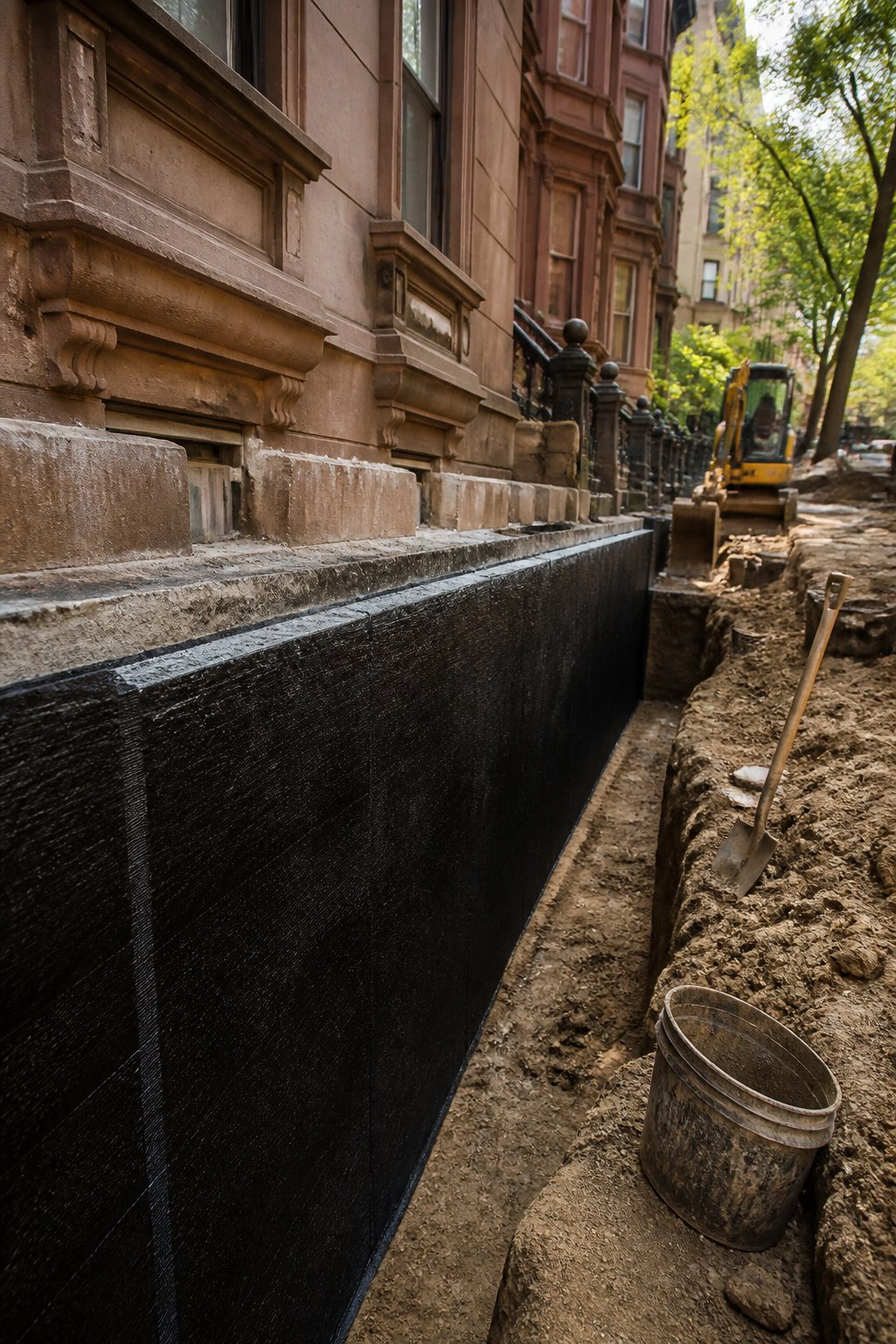
Our work addresses the entire building envelope, helping owners solve the source of moisture while protecting the exterior systems that keep the property structurally sound. Basement waterproofing NYC should be viewed as part of a complete building protection strategy, not an isolated repair.
For Limited Time
At Local Law 11 Masonry Contractors NYC, we have a team of specialists and DOB-licensed Local Law 11 contractors. Call now to get a free premium consultation.
Is Basement Waterproofing NYC Required by Local Law 11?
No. Local Law 11 (FISP) applies to exterior walls and appurtenances on buildings taller than six stories. The NYC DOB reports that 46% of Cycle 9 buildings were classified as SWARMP or Unsafe.
However, water entering through the foundation often contributes to the masonry deterioration later identified during façade inspections. Many of our clients address basement waterproofing during their facade restoration cycle to fix the problem at its source.
Why NYC Basements Leak And Why It Threatens Your Facade?
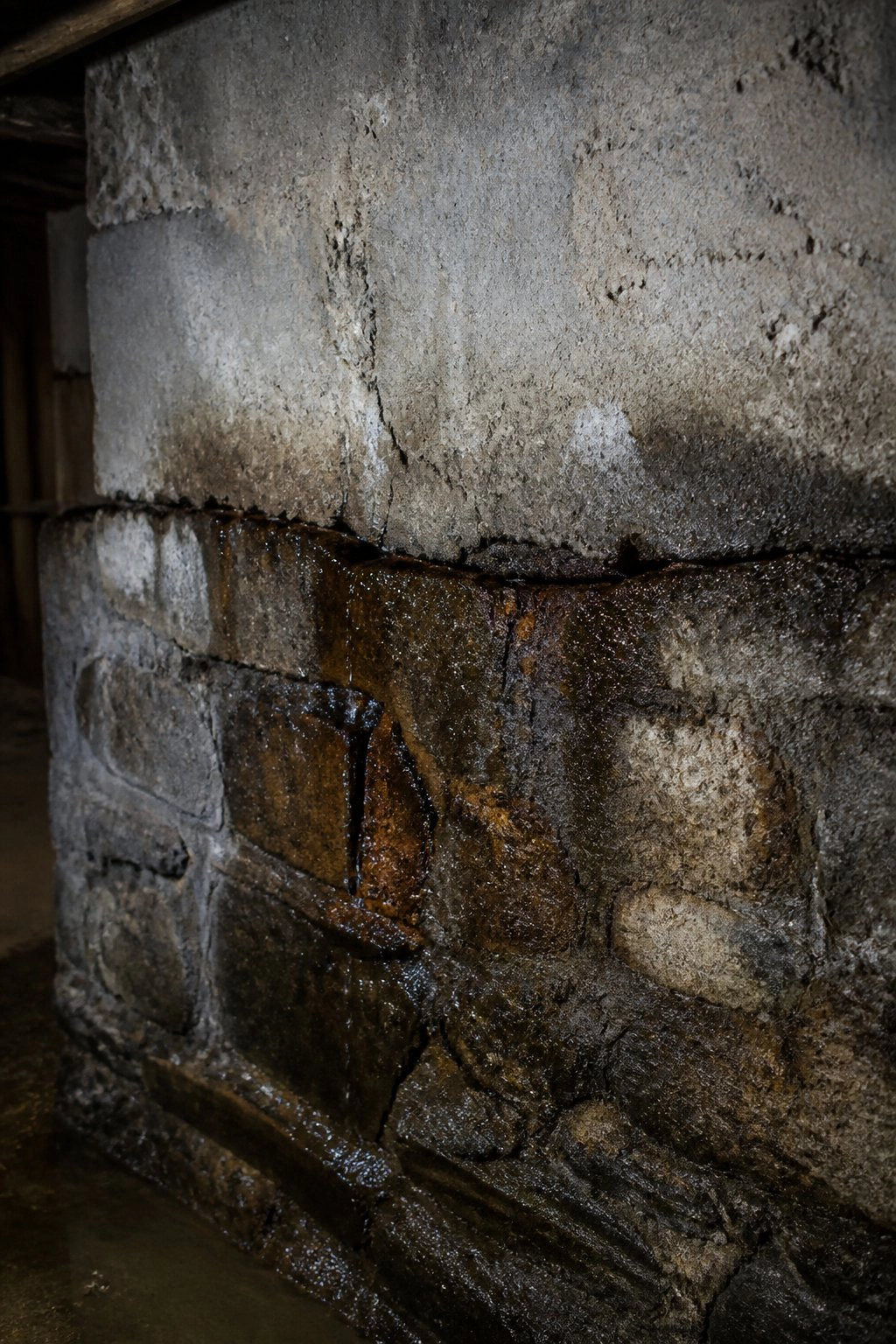
Hydrostatic Pressure Against Aging Foundation Walls
Many older buildings were constructed on brick, stone, or concrete foundations that can't withstand today's drainage. During prolonged rainfall, soil becomes saturated, increasing hydrostatic pressure against foundation walls.
Foundation Cracks: The Entry Point
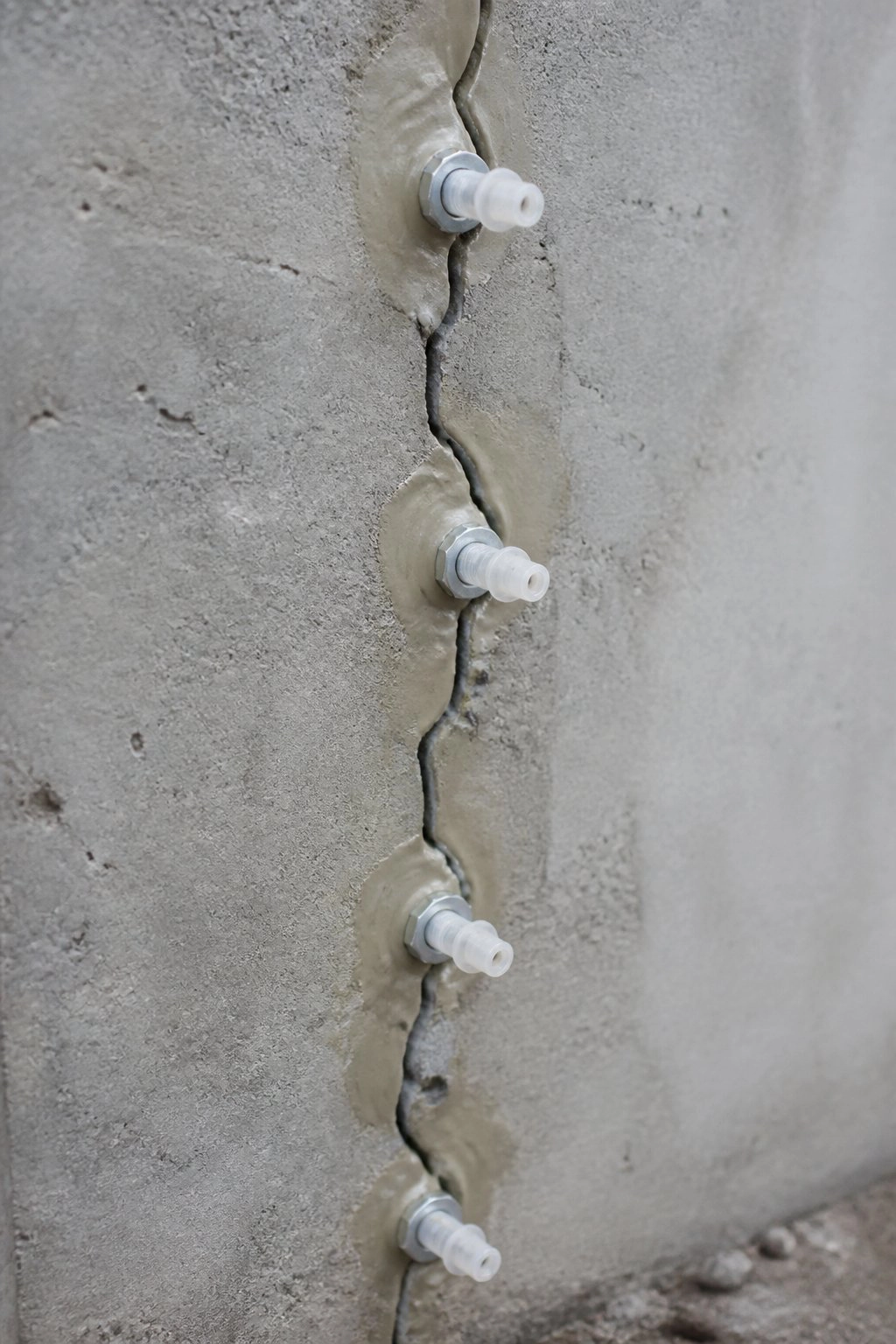
Vertical settlement cracks, cold joints, tie-rod penetrations, and areas affected by foundation settlement allow water to enter the structure when soil becomes saturated. Filling a crack without correcting drainage produces only temporary results.
From Wet Basement to FISP Problems Above Grade
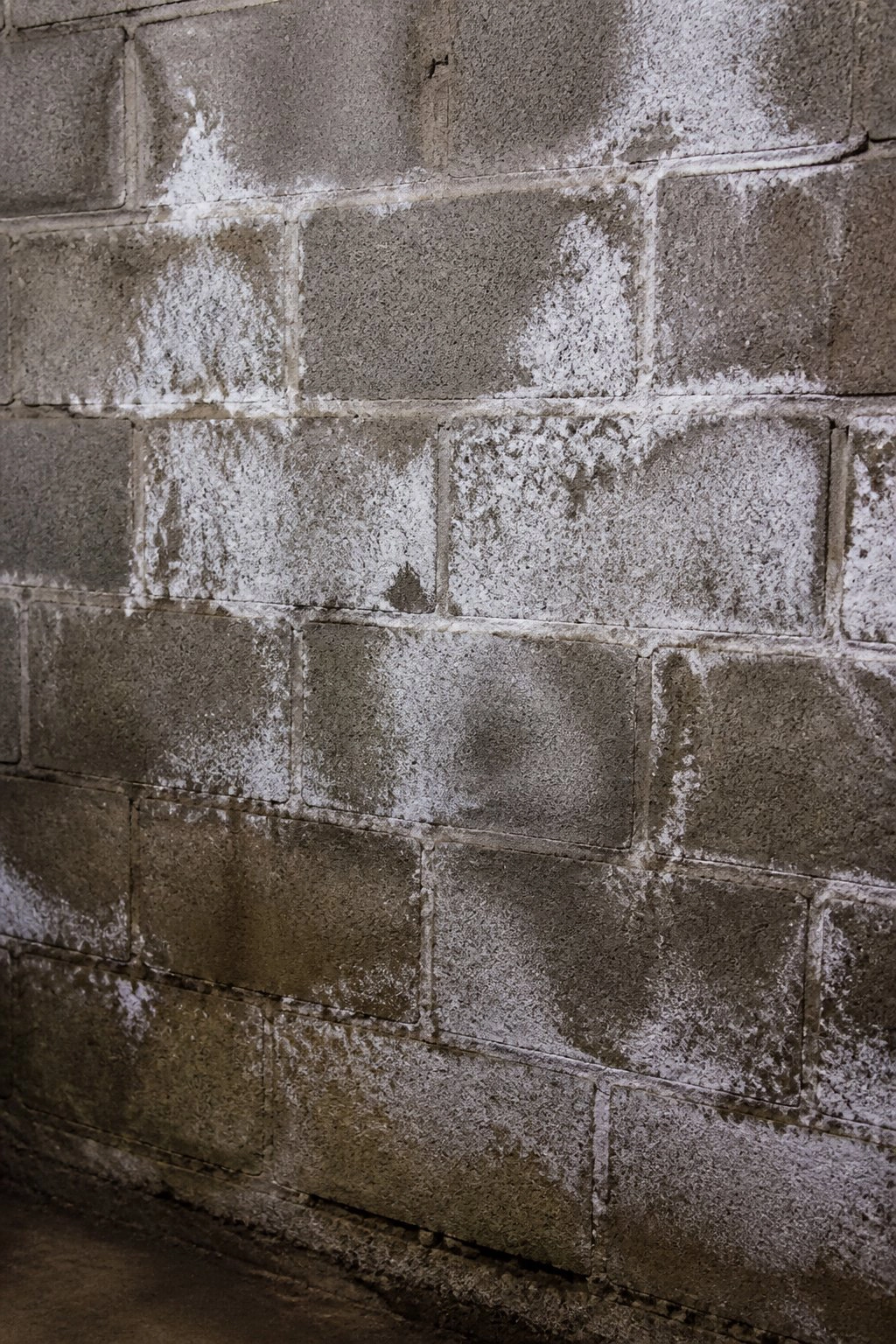
Water rarely stays below ground. Through capillary action, moisture migrates upward into masonry, carrying dissolved minerals that eventually appear as efflorescence on interior and exterior surfaces. Repeated wetting and drying weaken mortar.
Failed Sump Pumps & Overwhelmed Drainage
A leaking basement sump pump often indicates a drainage problem rather than equipment failure. Proper groundwater management considers grading, discharge capacity, drainage systems, and the condition of the surrounding foundation.
Building Insight
Moisture-related damage costs billions of dollars each year and is associated with 75-80% of building envelope defects and nearly 70% of construction-related litigation. (By ICC)
Services We Offer
Every building responds differently to water intrusion. As basement waterproofing New York specialists, we design solutions around the foundation type and source of moisture intrusion, and site conditions.
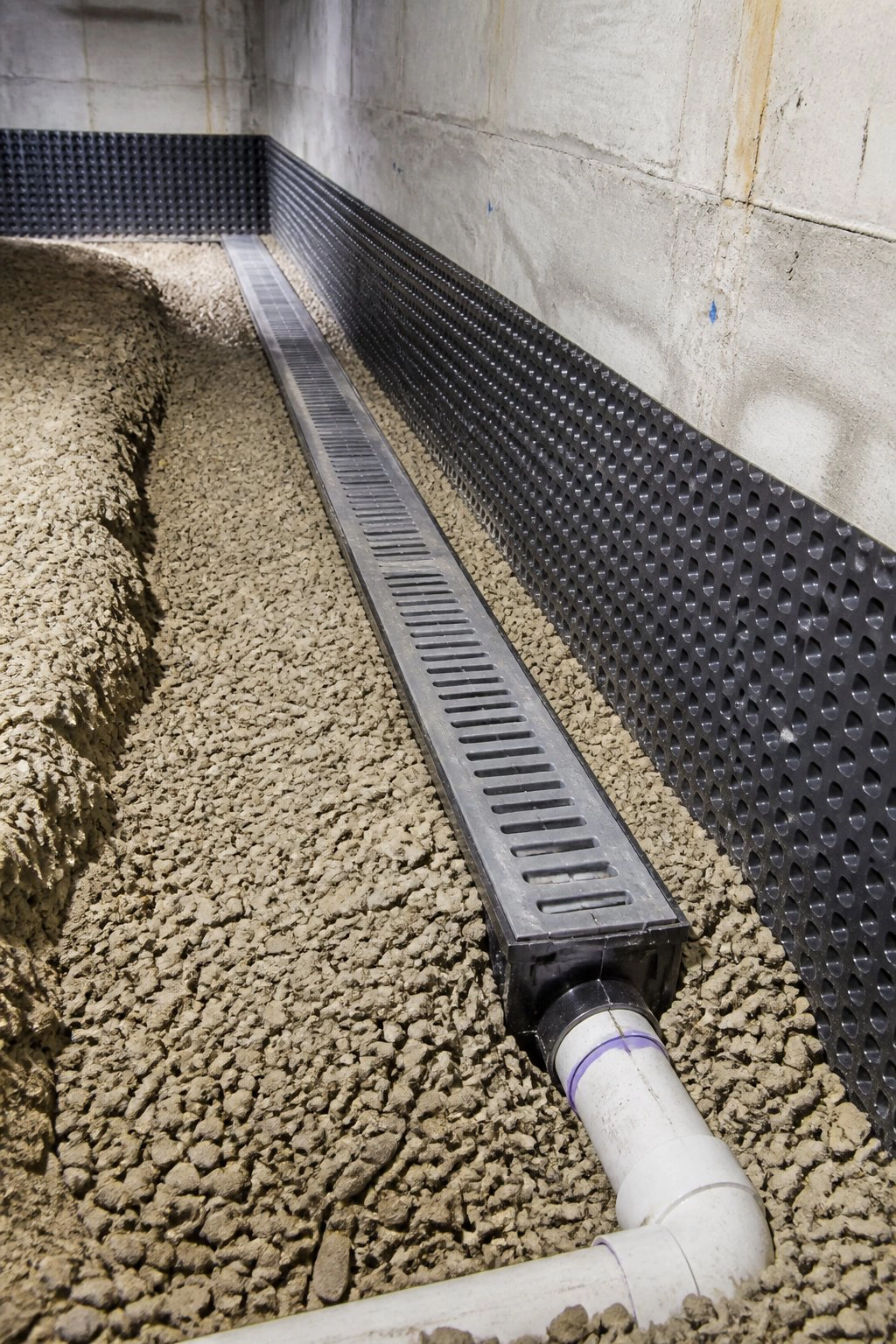
Interior perimeter drains, sump pump installation with battery backup, and vapor barriers for interior waterproofing basement projects where excavation isn't practical.
Excavation, waterproof membranes, footing drains, and improved soil drainage for exterior waterproofing basement walls.
Epoxy and polyurethane waterproofing injection solutions for foundation crack repair that provide a lasting fix.
Interior and exterior drain tile systems that redirect groundwater away from the foundation, even on tight NYC lots.
Wall liners and vapor barriers that manage moisture alongside drainage systems for foundation level leaks.
Crawl space encapsulation, vapor control, drainage improvements, and cellar foundation protection for older NYC buildings.
How to Waterproof a Basement in NYC: Our 6-Step Process
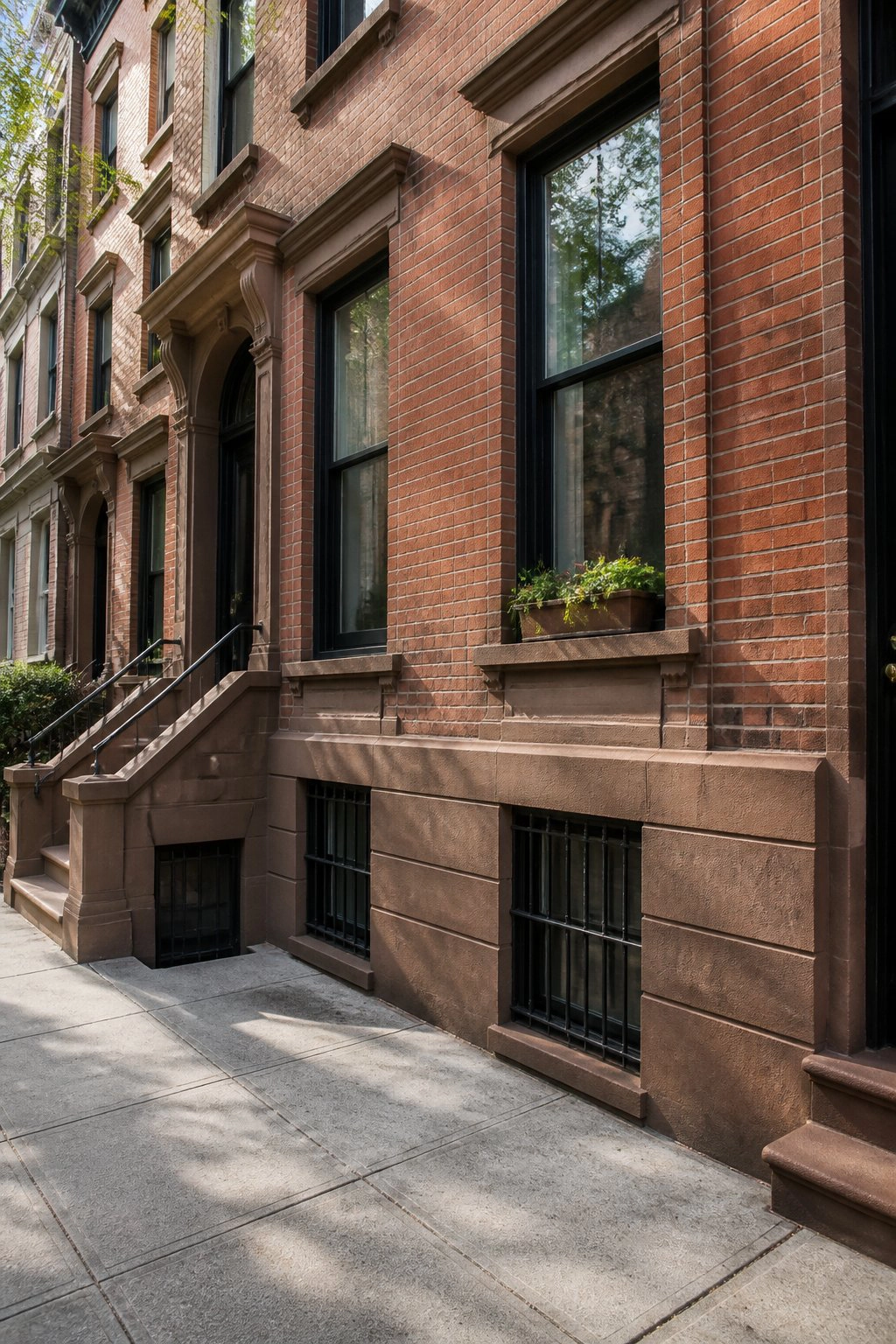
We perform a comprehensive inspection, documenting visible leaks, damp areas, cracks, staining, and humidity levels while tracing how water moves through the structure.
Our team determines whether the problem originates from hydrostatic pressure, surface drainage, plumbing, or multiple contributing factors before recommending repairs.
We design a solution based on the building's construction, budget, and long-term maintenance needs. Every proposal clearly explains the recommended system and expected outcomes.
Most interior drainage projects require regulatory involvement, but structural repairs, underpinning, or exterior excavation may require DOB filings. We coordinate the process as part of the project.
Our experienced crews complete the installation using proven materials and methods while minimizing disruption to occupants. We maintain clear communication and rigorous QC.
Before project completion, we test the system, verify proper drainage, review maintenance requirements, and provide written warranty documentation for long-term peace of mind.
Reality Check
According to FEMA, nearly 98% of basements experience some form of water damage during their lifetime, making early moisture management one of the most important investments for building owners.
Why Hire a Local Law 11 Contractor for Basement Waterproofing NYC?
Water doesn't recognize the line between the foundation and the façade. That's why solving moisture problems requires understanding how the entire building performs.
Take Action Quickly
NOAA reports that the Northeast has experienced a more than 60% increase in heavy precipitation events since the 1950s, placing greater pressure on aging foundations and drainage systems.
Serving Across All 5 Boroughs
Every borough presents different moisture challenges. Our NY waterproofing team tailors every solution to the property's location.
Manhattan
Many pre-war co-ops and commercial buildings have mechanical rooms and cellars below grade, particularly near the Hudson and East Rivers. Older masonry foundations often require a combination of drainage improvements.
Queens
Post-war semi-detached homes and finished lower levels are common throughout Flushing, Jamaica, and surrounding neighborhoods. Clay-rich soils can increase pressure against foundation walls if drainage systems are inadequate.
Bronx
Many six-story multifamily buildings combine aging masonry foundations with sloped sites that direct groundwater toward lower-level walls. Proper drainage and pressure relief are often as important as sealing visible cracks.
Staten Island
Detached homes frequently rely on sump pump systems because of varying groundwater conditions and coastal exposure. Storm surge and heavy rainfall make proactive moisture management particularly important.
Brooklyn
Brownstones, row houses, and mixed-use buildings commonly feature rubble foundations and English underground level. Neighborhoods closer to Gowanus and Red Hook also experience elevated flood risks during major storm events.
Alert: According to the NYC Flood Hazard Mapper, these areas require careful drainage planning alongside structural moisture protection.
Frequently Asked Questions
A single stable crack may only require injection repair. Multiple cracks, recurring seepage, widespread efflorescence, standing water, or moisture appearing after every storm usually indicates a larger drainage problem that requires a more comprehensive solution.
Yes. Interior drainage channels, sump systems, vapor barriers, and injection sealing are widely used for attached buildings where neighboring structures, sidewalks, or limited access make excavation impractical.
Simple drainage improvements generally do not require permits. Structural foundation repairs, underpinning, plumbing modifications, or major excavation may require DOB approval. We determine the applicable requirements before work begins.
Properly installed exterior membrane systems can perform for 25 years or more, while many interior drainage products include long-term manufacturer warranties. Mechanical equipment such as sump pumps typically requires replacement every 7—10 years, depending on usage and maintenance.
Yes. Intermittent leaks usually indicate that water is already reaching the foundation during peak storm events. With heavier rainfall becoming more common across the Northeast, small seasonal leaks often develop into larger structural moisture problems if left untreated.
We inspect wall assemblies, flooring, plumbing penetrations, exterior grading, drainage patterns, and foundation walls to determine whether moisture is entering from groundwater, surface runoff, plumbing, or condensation before recommending repairs.
Get a Free Inspection — Foundation to Facade
Water problems rarely improve on their own. Whether you're seeing damp walls, recurring seepage, foundation cracks, or signs of moisture intrusion, our team provides practical solutions designed for long-term performance.
Call Local Law 11 Masonry Contractors NYC or request your inspection online by sharing your property address, borough, a brief description of the problem, and photos if available. We'll identify the source of the moisture and recommend the right solution.
Ready to Protect Your Building?
Contact us today for a free basement waterproofing inspection. We'll identify the source of moisture and recommend the right solution for your building.
Contact Us Today