


Every estimate call usually starts the same way: "How much is this going to cost?"
And I understand why property owners ask. Nobody wants an answer that is simply: "It Depends."
They want a realistic number before starting a masonry restoration project. So let's start there.
Across the five boroughs, brick pointing costs typically range between $8 and $30 per square foot. But it may vary depending on the building, repair conditions, access requirements, and the overall scope of work.
A small localized repair may cost several hundred dollars. But full facade repointing on a larger NYC building can reach tens of thousands of dollars.
I know it is a wide range, but there is a reason for it. A few damaged mortar joints on a townhouse are a completely different project from restoring an entire exterior wall on a multi-story building.
Here are the factors that actually determine the final price.
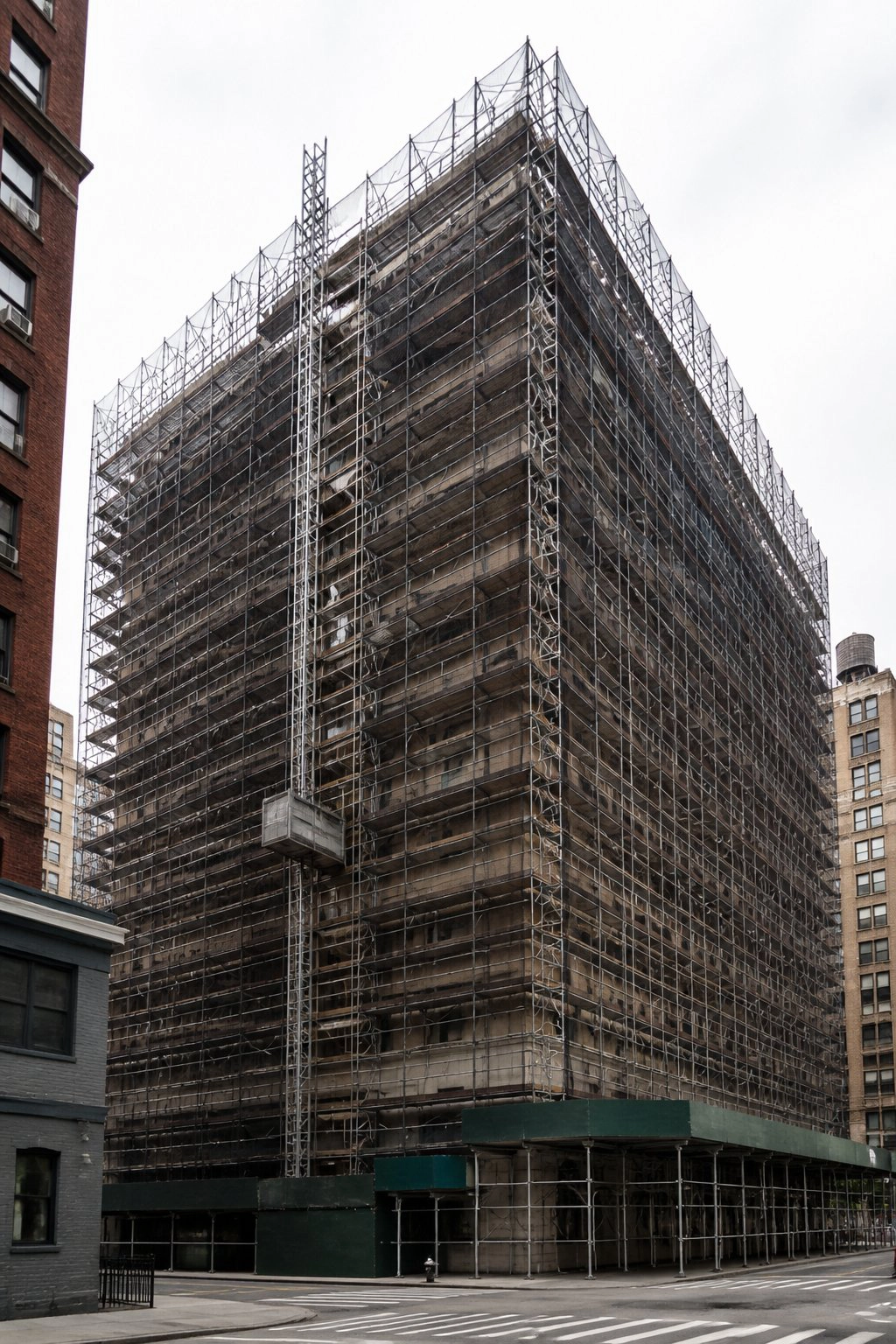
Brick pointing on an NYC building — costs vary significantly based on access, material, and scope.
What Actually Drives the Price?
Factor 01: Height and Access
In NYC, access is often one of the biggest cost factors for brick pointing projects. A repair that can be completed from ground level requires very different planning compared with work several stories above the sidewalk.
Once a project requires scaffolding, suspended access equipment, sidewalk protection, or other elevation systems, those costs become a significant part of the overall estimate.
This is especially important in NYC because many buildings sit directly along sidewalks, neighboring properties, and busy streets. Proper access means creating a safe environment for workers, residents, and pedestrians.
Factor 2: Mortar Type and Material Compatibility
This is one of the areas where experience matters most. If your building predates the early 1900s, there is a good chance it was constructed using softer, lime-based mortar rather than modern cement-heavy mixes.
Many homeowners assume stronger mortar is always better. In historic masonry, that is not always true.
A mortar joint needs to work with the surrounding brick. If the replacement mortar is significantly harder than the original masonry, it can prevent normal moisture movement and increase stress on older bricks during seasonal expansion and freeze-thaw cycles.
Professional restoration contractors consider factors such as:
- Existing mortar composition
- Age and condition of the brick
- Moisture exposure
- Weather conditions
- Masonry system requirements
Standards such as ASTM C270 help guide mortar classification and selection for masonry applications.
But why? Because the goal is not simply installing the hardest mortar possible. The goal is choosing a material that is compatible with the building.
Factor 3: Condition and Extent of Damage
Not every brick pointing project requires the same amount of work.
A small area with isolated mortar deterioration may only need localized repairs. However, when deterioration has spread across a large section of the facade, more extensive repointing may be necessary.
Common signs that brick pointing may be needed include:
- Crumbling mortar joints
- Visible gaps between bricks
- Water staining
- Loose masonry materials
- Increased moisture intrusion
A proper inspection helps determine whether repairs should focus on specific areas or whether a larger restoration approach is needed.
Factor 4: Building Age and Detail Work
NYC has some of the most diverse masonry architecture in the country. Brownstones, pre-war apartment buildings, and historic properties often include decorative elements that require additional craftsmanship.
Examples include:
- Cornices
- Belt courses
- Decorative window surrounds
- Ornamental masonry details
These features can increase project costs because restoration requires more time, precision, and specialized experience compared with standard brick walls.
What Does Building Size Look Like?
| Project Type | Typical Cost Range |
|---|---|
| Small patch/spot repair | $500 - $1,000 |
| Two-story rowhouse (single facade) | $5,000 - $12,000 |
| Three-story brownstone (front + side) | $10,000 - $25,000 |
| Four- to six-story walk-up (full exterior) | $25,000 - $75,000+ |
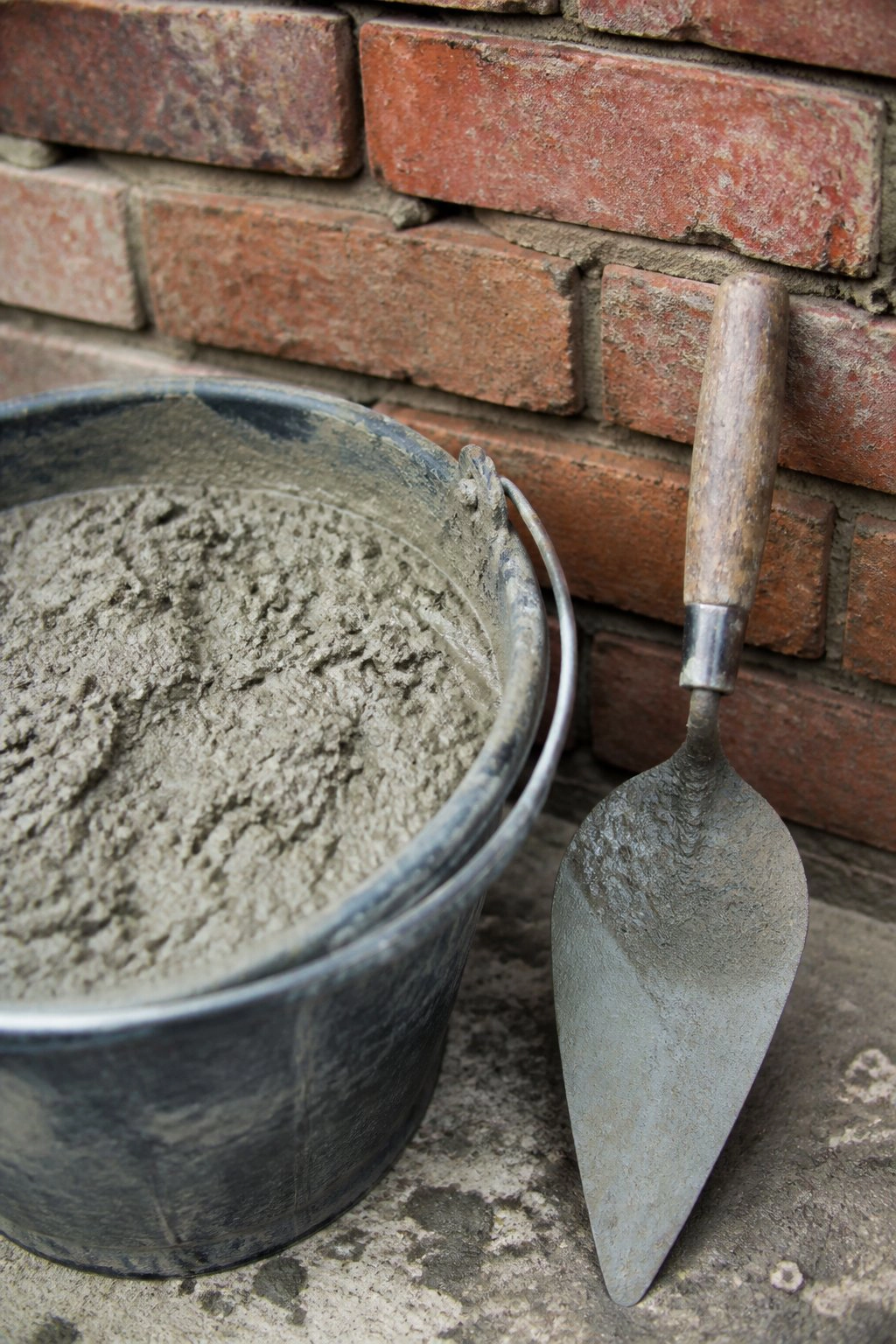
Professional masonry restoration requires careful material matching and proper access planning.
Borough-by-Borough: What to Actually Expect?
Brick pointing costs are not identical throughout NYC. The building stock, street conditions, accessibility, and restoration requirements can change significantly from one neighborhood to another.
Manhattan
Manhattan projects often fall toward the higher end of the pricing range. Dense streets, older buildings, limited staging areas, and a large number of pre-war properties can make exterior restoration more complex. Historic buildings may also require specialized mortar matching and preservation-focused techniques.
Brooklyn
Brooklyn has some of NYC's most recognizable brick buildings and brownstones. Older row houses often include aging mortar joints, decorative details, and historic masonry systems that require careful restoration. Properties with ornamental features or extensive deterioration usually require more detailed craftsmanship.
Queens
Queens has a wide variety of building types, from single-family homes to multi-family buildings and commercial properties. Projects with straightforward access may be more manageable, while larger buildings or properties with complicated facades may require additional planning and equipment.
Staten Island
Staten Island has many detached and lower-density properties, which can sometimes make access easier compared with more crowded boroughs. However, weather exposure, coastal conditions, and aging masonry can still create unique maintenance challenges. Finding a contractor experienced in masonry restoration and proper mortar matching is important, especially for older properties.
The Compliance Side Nobody Budgets For
This is where many estimates become complicated. Property owners often focus on labor and materials but overlook the planning, documentation, and safety requirements connected with exterior masonry work.
Depending on the scope of work and building conditions, NYC projects may involve Department of Buildings requirements, professional evaluations, filings, or coordination with qualified facade professionals.
For buildings covered under NYC's Facade Inspection & Safety Program (FISP), commonly known as Local Law 11, masonry repairs may be required following a facade inspection.
A contractor familiar with FISP-related projects can help coordinate repairs, documentation, and communication with the building's Qualified Exterior Wall Inspector (QEWI).
Completing the physical repair is only part of the process. The building also needs to remain properly documented and compliant.
Safety Requirements During Masonry Restoration
Brick pointing involves more than removing old mortar and installing new material. Exterior masonry restoration requires proper safety planning, especially when working at height or using equipment that can create dust and debris.
Important safety considerations include:
- Scaffold safety
- Fall protection
- Worker protection
- Silica dust control
Removing and grinding old mortar can generate respirable crystalline silica dust. Proper controls and safe work practices help reduce exposure risks on the job site.
A qualified restoration contractor should understand both the repair process and the safety requirements behind it.
Red Flags in a Lowball Estimate
If one estimate comes in significantly lower than the others, it is worth asking a few questions before signing a contract:
- Does the price include proper mortar evaluation, or are they using a standard mix?
- Are scaffolding and access requirements included, or added later?
- Does the contractor understand NYC facade requirements?
- Are required safety measures included?
- Have they handled Local Law 11 or FISP-related repairs before?
A very low estimate often means something has been excluded, and those missing items can appear later as unexpected costs or repairs that fail prematurely.
Frequently Asked Questions
The lifespan of completed restoration work depends on material selection, installation quality, weather exposure, and ongoing building maintenance. Properly performed repairs can protect a building exterior for many years.
For buildings covered under NYC's Facade Inspection & Safety Program (FISP), exterior repairs may be required based on inspection findings. The exact work needed depends on the building condition and recommendations from qualified facade professionals.
Access equipment allows workers to safely reach elevated areas while protecting pedestrians and surrounding property. The type of equipment needed depends on building height, location, and project scope.
Warning signs may include deteriorating joints, visible openings, moisture staining, loose materials, cracking, or areas where water appears to be entering the building. A professional assessment can help identify the cause and recommend the right solution.
Yes. Taller buildings often require additional access equipment, safety measures, and planning. These requirements can significantly impact project pricing compared with smaller properties with easier access.
A reliable estimate should explain the repair scope, materials, access requirements, safety considerations, and any compliance-related needs. Extremely low estimates may leave out important steps that affect long-term results.
Yes. Minor deterioration can allow moisture to enter the masonry system and contribute to more extensive damage if left unaddressed. Early evaluation can help prevent more costly repairs later.
The best way to understand your project cost is through an on-site evaluation. A professional inspection can identify the condition of your facade and provide recommendations based on your building's specific needs.
Request Free Estimate Now
The realistic range for brick pointing in NYC is typically $8 to $30 per square foot, with building height, mortar compatibility, access requirements, and repair scope driving most of the difference.
Manhattan and Brooklyn often fall toward the higher end because of older buildings, dense conditions, and historic masonry. Queens often vary depending on property type and access.
Staten Island may offer easier access on some properties, but finding a contractor with true masonry restoration experience is still important.
At the end of the day, the lowest estimate is not always the best value. The right brick pointing project accounts for the mortar, the masonry, the access, the safety requirements, and the long-term performance of the building.